


Streetwear Style Essentials for Modern Urban Fashion
- Yungsters of America
- Oct 9, 2025
- 11 min read
Streetwear isn’t just clothes—it’s a way to show the world who you are. It’s the perfect mix of casual comfort and bold personality, pulling influences from hip-hop, skate culture, sports, and the streets you walk every day.
This style isn’t about blindly following trends; it’s about curating pieces that tell your story. Hoodies, sneakers, and graphic tees aren’t just wardrobe staples—they’re tools for self-expression, designed for movement, energy, and everyday life.
Streetwear is where quality meets style. Every piece should feel as good as it looks, giving you confidence whether you’re supporting your local teams, vibing to music, or just standing out in the crowd. Your outfit becomes more than a look—it’s a statement of pride, energy, and the culture you’re part of.
What Is Streetwear Style?
Streetwear style combines casual comfort with bold visuals. It stands out because of its strong cultural roots and mix of influences from different urban scenes.
You'll see this style growing from local street cultures into a global fashion force that stays true to self-expression.
Origins and Evolution
Streetwear started in the 1980s and 1990s. It grew mainly from New York hip-hop and California skateboarding cultures.
These groups needed clothing that was both comfortable and showed their identity. As time passed, streetwear borrowed ideas from punk, surf culture, sportswear, and Japanese fashion.
It became more than just clothes—it turned into a symbol of youth culture and rebellion. Today, streetwear blends old-school influences with modern trends.
Brands like Supreme and Off-White made the style popular worldwide. You can spot streetwear in music scenes, sports, and everyday city life.
Key Characteristics
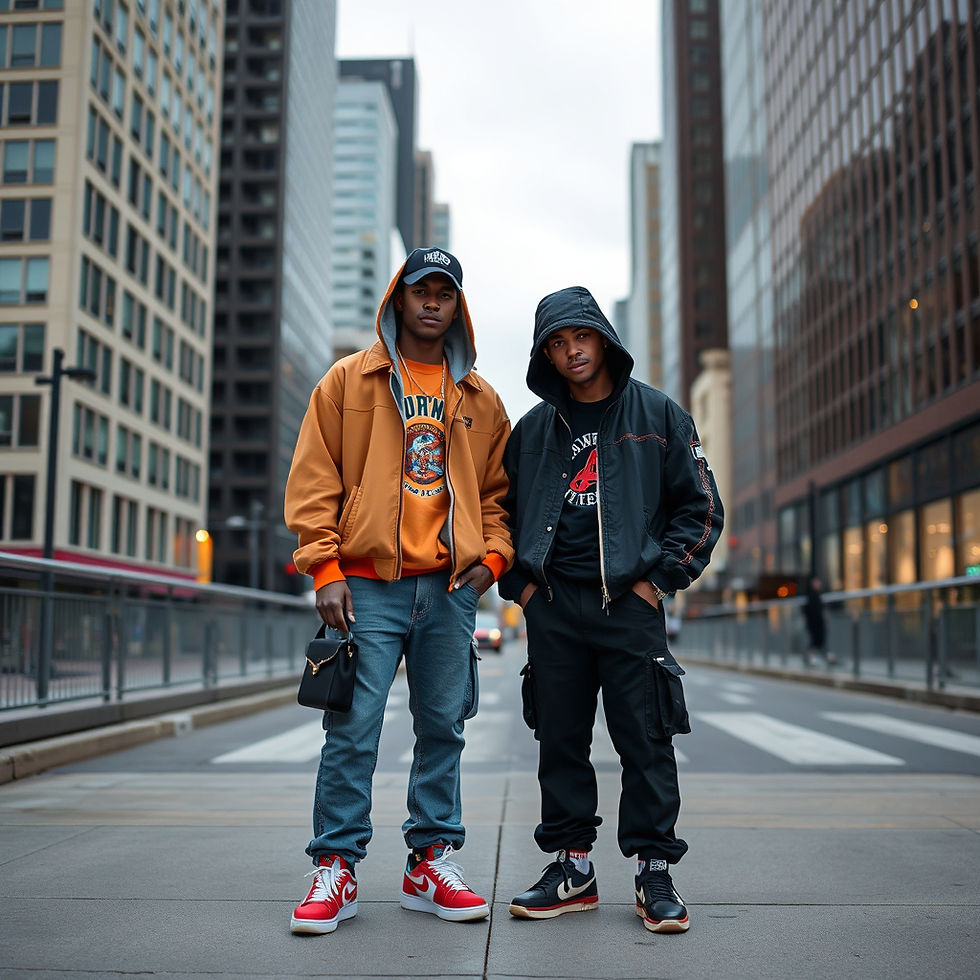
Streetwear is known for its casual, relaxed fit. You often see hoodies, graphic tees, sneakers, and caps.
The clothing often carries bold logos or artwork that shows off the wearer’s style or attitude. Colors can range from bright and eye-catching to simple and muted.
Patterns like camouflage, tie-dye, and block colors are common choices. Streetwear also values exclusivity.
Limited-edition drops and rare items, like those from hype brands, make pieces more desirable. This mix of comfort, style, and unique touches sets streetwear apart from regular casual wear.
Cultural Influences
Streetwear is deeply tied to community and identity. Hip-hop culture introduced it as a way to express creativity and resistance against mainstream fashion.
Skateboarding and surf cultures added a sense of freedom and practicality to the style. Japanese street fashion brought in a fresh, detailed aesthetic with a focus on craftsmanship.
You’ll find streetwear often connected to music, art, and social movements. It’s about more than just fashion—it's a way to show who you are and what scene you belong to.
Essential Elements of Streetwear
Streetwear style focuses on specific shapes, materials, and bold designs that make it stand out. These elements work together to create looks that are both comfortable and visually striking.
You will notice certain clothing shapes, fabric choices, and graphic details that define streetwear’s unique vibe.
Signature Silhouettes
Streetwear embraces relaxed and oversized fits. Hoodies, baggy pants, and loose t-shirts are common, offering comfort and freedom of movement.
You’ll often see drop shoulders and wide sleeves that add to the laid-back feel. Jackets like bombers and windbreakers are key, often boxy and short.
Sneakers are another important silhouette, typically chunky or high-tops for an urban edge. These shapes keep your outfit casual but stylish and easy to wear all day.
Staple Fabrics
Cotton and fleece are the most popular fabrics in streetwear. They provide softness and warmth, making hoodies and sweatpants cozy yet durable.
Denim also plays a big role, especially in relaxed jeans and jackets. Technical fabrics like nylon or mesh show up in outerwear and activewear-inspired pieces.
They add texture and a modern look, often in windbreakers or track pants. These materials blend comfort with bold, sporty style.
Iconic Logos and Graphics
Streetwear relies heavily on strong logos and graphics. Large brand logos across the chest or back create a statement feel.
You’ll find graphic prints inspired by skate, hip-hop, and pop culture, often bold and eye-catching. Designs can include everything from simple text to colorful, oversized artwork.
These visual elements express identity and street culture, making your clothing more than just fabric—it tells a story you wear.
Influential Streetwear Brands
Streetwear style is shaped by brands that blend culture, design, and community. Some brands laid the foundation for this style, while others keep pushing its boundaries today.
Both groups offer unique vibes and play key roles in streetwear’s global growth and appeal.
Pioneering Labels
These brands started streetwear as a new way to dress and express identity. Supreme is one of the best-known pioneers.
It began in New York City with a strong skateboarding and hip-hop influence. Supreme focuses on limited releases, creating high demand through exclusivity and bold logos.
Another pioneer, Stüssy, emerged in the 1980s. It brought surf and skate culture together with unique graphic designs.
Stüssy helped define streetwear’s laid-back, urban look and influenced many newer brands. These early labels built strong communities and made clothes that spoke to youth culture.
They showed you that streetwear is not just fashion but a form of self-expression and belonging.
Contemporary Leaders
Today's top streetwear brands mix heritage with fresh ideas to stay relevant. Brands like Off-White blend street culture with luxury design.
You’ll find sharp cuts, creative branding, and art-inspired styles here. Fear of God is another leader.
It focuses on high-quality materials and minimalist designs with street edge. It appeals to fans who want both comfort and statement pieces.
You also have brands like Aimé Leon Dore that bring nostalgia and modern city life together. They focus on timeless style with attention to detail.
These leaders keep streetwear connected to its roots, while also shaping it as a lifestyle for a wide audience. You can wear their pieces on the street or in more formal settings, showing streetwear’s growing reach.
How to Build a Streetwear Wardrobe
Building a streetwear wardrobe means picking pieces that are stylish, comfortable, and fit your personality. You want items that work well together and let you express yourself.
Shop smart by focusing on versatile basics, mixing different styles, and adding unique vintage finds to stand out.
Choosing Core Pieces
Start with simple, quality basics. Hoodies, graphic tees, and sweatpants are key.
Choose neutral colors like black, white, or gray so you can mix easily. Brands like Uniqlo or H&M offer affordable options with good fit and fabric.
Invest in durable sneakers and a good jacket, like a bomber or denim jacket. These elevate your look without much effort.
Keep logos or prints meaningful, not overdone. Quality over quantity helps you build a solid foundation.
Focus on comfort and fit. Streetwear is as much about how clothes feel as how they look.
Try clothes on to make sure they fit your shape and match your style.
Mixing and Matching
Mixing textures and colors makes your outfit pop. Pair cotton tees with nylon jackets or denim pants with fleece hoodies.
Don’t be afraid to combine bold colors with neutral tones to create balance. Use layering to add depth.
A long-sleeve shirt under a hoodie or a flannel over a tee works well for different weather and styles. Keep proportions in mind.
If you wear baggy pants, try a more fitted top. Balance is key to avoid looking sloppy or too tight.
Try mixing streetwear staples with sporty or casual pieces. This versatility keeps your style fresh and wearable for many occasions.
Incorporating Vintage Finds
Adding vintage items gives your wardrobe a unique edge. Look for old-school graphic tees, worn-in denim, or retro sneakers at thrift shops or online markets.
These pieces often have strong character and history. When picking vintage, check quality closely.
Make sure items aren’t too damaged or faded beyond repair. A little wear adds personality but should not make the piece unusable.
Integrate vintage finds with modern clothes for a balanced look. Pair a retro jacket with clean new sneakers or an old tee with fresh pants.
This contrast creates a stylish mix of past and present. Vintage pieces tell a story and set you apart from mass-produced streetwear.
They show you value originality and have a real eye for style.
Streetwear Footwear Trends
Your choice of footwear says a lot about your style and personality. Streetwear shoes today mix comfort with bold design, offering options that stand out while fitting your daily looks.
You’ll find a blend of new sneaker shapes, unique brand collabs, and timeless shoes that never go out of style.
Sneaker Culture
Sneakers are the heart of streetwear footwear. In 2025, slim, streamlined designs and suede finishes are popular.
You’ll notice influences from ballet and retro styles adding softness and detail to classic shapes. Chunky sneakers remain, but many people lean toward minimalist looks that match more outfits.
Sneaker collections often reflect your interests and identity. Limited editions and rare colorways add value beyond just looks.
Brands compete with fresh takes that mix old styles with new tech for better comfort and durability. Choosing the right pair helps you make a style statement without sacrificing wearability.
Collaborative Releases
Collaborations between streetwear and luxury brands or athletes drive major sneaker hype. These joint releases create unique designs that you can’t find elsewhere.
They often celebrate cultural moments or local communities, giving each shoe a story. If you’re into exclusive drops, collaboration styles bring fresh energy and status.
You get designs that blend brand heritage with modern trends. These shoes often feature bold colors, unusual patterns, or innovative materials.
Keeping an eye on collabs helps you stay ahead in streetwear.
Classic Footwear Staples
Some shoes never lose their place in streetwear. Timeless sneakers, simple loafers, and versatile boots provide balance to trend-driven pieces in your wardrobe.
You can count on these staples for everyday wear and mixing with bold items. Classic footwear focuses on quality and comfort without flashy details.
Neutral colors like white, black, or beige make them easy to style. They fit into both casual and smart street looks.
Having these staples means you can always count on reliable, stylish shoes no matter what trends shift.
Styling Tips for Streetwear
Getting your streetwear right means focusing on how you layer your clothes and the small details that add personality. These elements help you build outfits that look fresh, feel comfortable, and show who you are.
Layering Techniques
Layering is essential for streetwear because it lets you mix textures and add depth. Start with a simple base like a tee or long sleeve shirt.
Then add a hoodie, flannel, or light jacket over it to create interest and balance. Use pieces with different weights and lengths.
For example, wear a longer shirt under a shorter jacket. This creates a casual yet styled look that stands out.
Make sure the layers fit well together and don’t feel bulky. Colors and patterns help too.
Choose layers that contrast or complement each other to keep the outfit balanced. Stick to 2–3 main colors to avoid a cluttered look.
Accessories and Details
Accessories finish your streetwear look by adding your personal touch. Hats, like caps or beanies, work well and can show off your style without much effort.
Sneakers are a key part of streetwear. Pick clean, stylish shoes that match the vibe of your outfit.
White sneakers are versatile, while bold colors make a statement. Don’t overlook simple details like socks, jewelry, or backpacks.
Small branded logos, chains, or rings can add confidence to your style. Keep accessories balanced—too many can distract, too few might seem plain.
Pay attention to how you fold sleeves or adjust your hood. These little moves help make the whole outfit look put-together without trying too hard.
Sustainability in Streetwear
Streetwear is changing to include better designs that care for the planet and the people who make your clothes. This means using materials that are better for the earth and making sure workers are treated fairly throughout the process.
Eco-Friendly Materials
When you pick streetwear made with eco-friendly materials, you’re choosing fabrics like organic cotton and recycled polyester. These materials need less water and energy to produce than regular options.
Organic cotton, for example, avoids harmful pesticides, which helps keep soil and water clean. Recycled fabrics use old plastic bottles or textile waste to make new clothes.
This reduces trash and cuts down on the use of new resources. Some brands also use plant-based dyes that don’t contain toxic chemicals.
Choosing these fabrics means your clothing has a smaller impact on the environment without losing the look and feel you expect.
Ethical Production
Ethical production means making clothes with respect for workers and communities. This includes fair wages, safe work conditions, and no forced labor.
Many sustainable streetwear brands work with factories that follow strict labor rules to keep workers safe and paid fairly. You’ll also find brands that focus on small batch runs or community-based production models.
These approaches reduce waste from overproduction and build stronger ties with the people who make your clothes.
Global Streetwear Scenes
Streetwear style has strong local flavors shaped by different cultures. Each region brings unique trends, brands, and influences.
North America
In North America, streetwear grew from skateboarding and hip-hop scenes in cities like Los Angeles and New York. You’ll see a mix of bold graphics, oversized fits, and sportswear elements here.
Brands often focus on community and urban culture. Collaborations between streetwear labels and luxury brands are common.
This helps you wear styles that mix casual with high fashion. Social media also plays a huge role, letting you follow new drops and street trends instantly.
Asia
Asia’s streetwear is known for its creativity and diverse influences. Places like Tokyo and Seoul lead with innovation in styles that blend minimalism, techwear, and traditional prints.
You’ll notice a strong focus on fit, detail, and experimental designs. Japan’s streetwear often combines practical elements with artistic flair.
Korean fashion pushes clean lines and modern cuts. Digital platforms in Asia help new brands reach you worldwide.
Europe
Europe’s streetwear scene is a dynamic mix of luxury fashion and underground culture. Cities like Paris, London, and Milan influence global trends by mixing classic tailoring with street style.
You’ll find a balance of polished looks with casual, sporty pieces. European streetwear often emphasizes craftsmanship and sustainability.
You can expect brands to focus on quality materials and ethical production. The fashion weeks in these cities also spotlight new streetwear designers.
Frequently Asked Questions
Streetwear mixes comfort, individuality, and unique details to build a strong personal style. You can add bold pieces, versatile basics, and key brand items to your wardrobe for a fresh look that fits your lifestyle.
How can I incorporate streetwear style into a casual wardrobe?
Start with simple items like plain tees, hoodies, and joggers in muted tones. Add one statement piece such as a limited-edition sneaker or graphic jacket.
Keep colors balanced, focusing on monochromes or earth tones to make your outfit stand out naturally.
What are the essential pieces for a men's streetwear wardrobe?
You’ll need comfortable basics like oversized hoodies, sweatpants, and quality sneakers. Include key accessories such as caps and branded backpacks.
Limited-edition sneakers and graphic tees bring personality and edge to your everyday look.
Which brands are currently at the forefront of the streetwear fashion scene?
Popular names include Supreme, Off-White, Stüssy, and BAPE. These brands blend bold designs with quality fabrics and often release limited collections that set trends.
Emerging local brands also carry unique styles that connect deeply with community culture.
What trends are shaping women's streetwear styles this season?
Women are combining relaxed fits with vintage-inspired pieces like oversized jackets and baggy jeans. Bright colors and bold patterns are making a comeback, alongside minimalist monochrome looks.
Accessories like statement sneakers and bucket hats remain popular.
How do streetwear styles differ between men and women?
Men’s streetwear often focuses more on oversized fits, layered looks, and darker or neutral colors. Women’s styles balance bold prints with softer shapes and bring in brighter colors.
Both prioritize comfort and individuality but express it through different silhouettes and details.
What factors contribute to the street style look becoming a global phenomenon?
Streetwear grew from skate, hip-hop, and urban cultures, blending comfort with creative self-expression.
Limited releases, collaborations with artists, and social media influence drive its popularity worldwide.
It appeals to youth by offering affordable ways to showcase personal style and culture.



Comments